More than 13,000 miles of the Tour Divide Later
Reflections from my 5th Finish of the Iconic Tour Divide

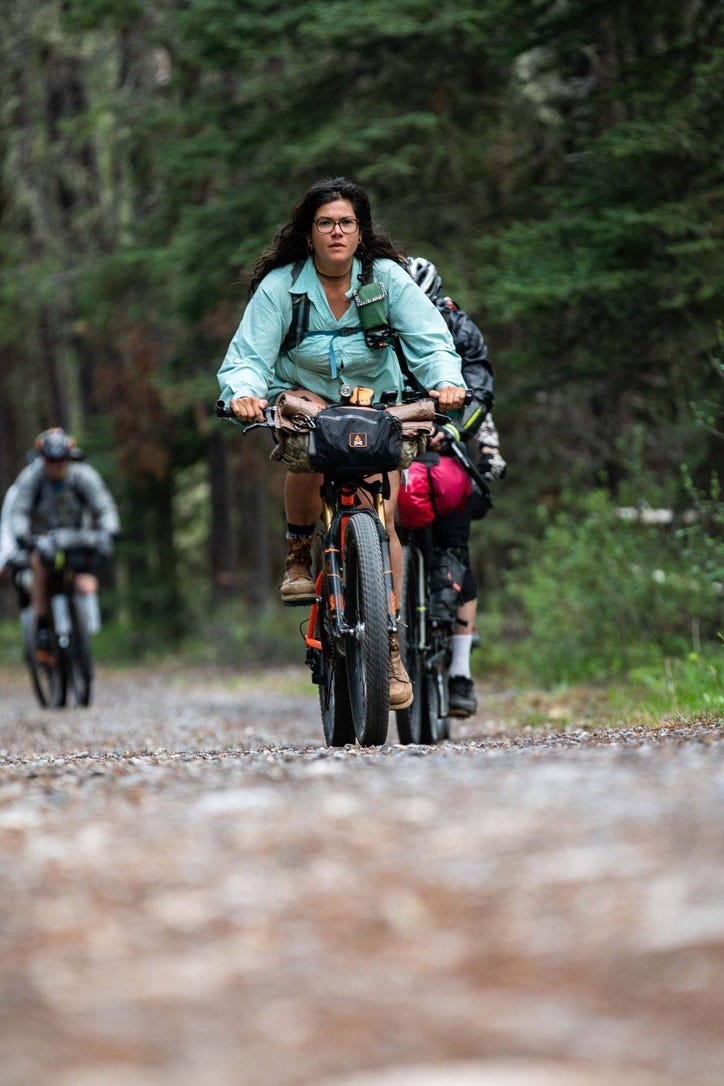
Ask anyone who has finished the Tour Divide; it’s emotional. Most cry tears of happiness and sadness on the same day. I’m no different. The impossible weight of emotion rested upon my fatigued shoulders. I’m used to feeling the burden of emotion and swallowing it to finish my race as fast as possible. But something is changing in me as I age. I’m getting less and less able to pretend that I don’t feel what I feel. Further, when I feel something, I’m now in the era of digging to figure out why I feel such a thing, and further to seek the truth even if it’s embarrassing, shameful, or downright paralyzing.
Instead of stuffing my emotions into the pit of my belly this time, I held them, I felt them, I carried them, and didn’t shove them aside. I slowed down. And it hurt. I was embarrassed to have been passed by Karin, putting me in fourth place after days of riding in third. I was disappointed I wasn’t fighting for a place at the front of the women’s race. Both Ana and Nathalie were days ahead of me. The past disappointments rose to the surface. I was ashamed that I let my body ever get so big in the first place. I regretted thinking I could compete for the women’s title; losing the chance for it was among the most disappointing feelings in my life. I felt powerless when I got ill during my race. I questioned all of my decisions leading up to the point I got sick. I was humiliated for believing I could complete this route in two weeks. I felt my career in ultra-racing slipping away from me; I thought just one more good result could finally bring me a full-time athlete sponsorship, the ability to focus full-time on sport, and provide financial stability. I’ve given my entire life to ultra-cycling for a shot to compete alongside the best. I felt myself passing a torch I wasn’t ready to give up.
In all of my sorrow, I carried my head high. I didn’t pity myself, but sought out the truth of who I really was.
There is a me that existed before the Divide took up so much space in my mind. I remember her entirely, I am still her in the pits of my gut, maybe just grown up a little bit more. I still see her visage in the occasional reflection of storefront windows. Mostly, I catch but a glimpse of her; the shadow of a woman who I could have been, cherub and woefully sad. When I stop to catch a studying glance, she disappears, and then the me of now appears. A woman dusted with gray hairs, the outline of a drooping neck reflects. Beady black eyes hidden behind gaudy glasses appear as vivid as a photo. Blink. Blink. I didn’t plan on the Tour Divide setting the course of my life.
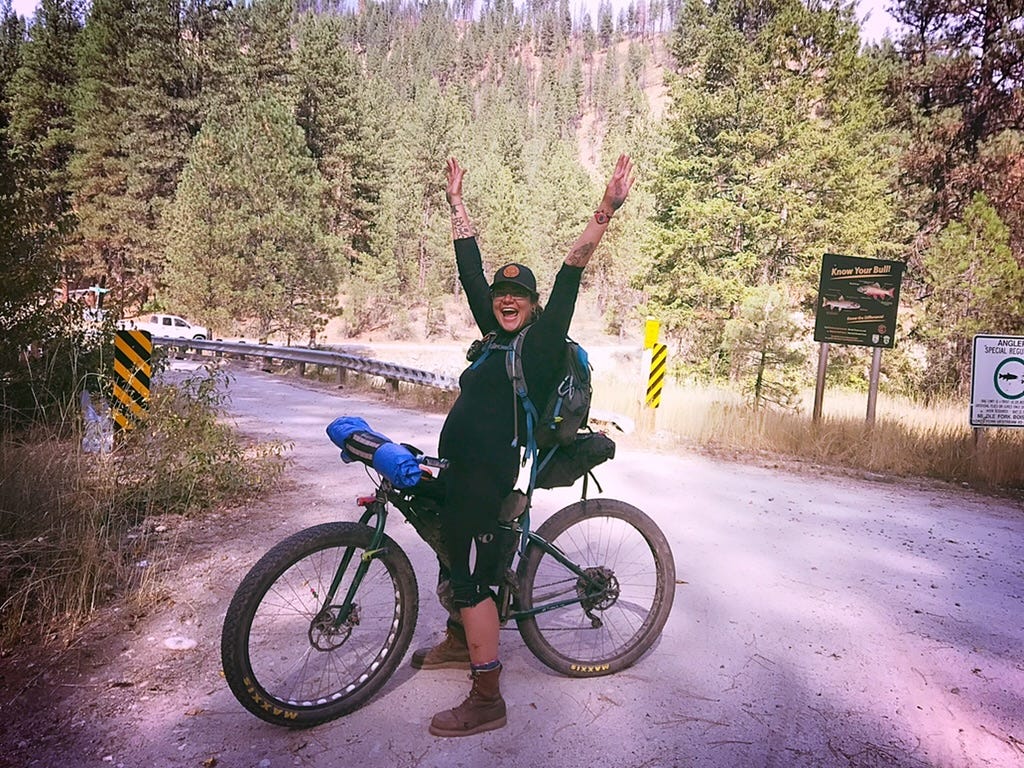
I was 25 years old when I hopped on that bus west with my boxed bike tucked below deck. Part of it was that I needed something more. I needed an escape. I’d been thinking about the Divide since 2012, first in a jealous way that others had done it before me. But later, in a way that I needed to shut off the voices echoing in my head. I was obsessed. I never, I mean I NEVER once, for a moment, considered that it would be even slightly possible that I could race in the event. I just wanted to complete it.
I didn’t realize I was committed to seeing the end of that first journey. I hadn’t really known how to finish anything. I’d been perfectly fine with quitting anything when I wasn’t vibing it anymore. I knew I was going to ride the Divide. I wanted to see how much weight I would lose. I was very much in the throes of figuring out who I was and wanted to be in this world. I was leaving the Midwest. I was going to do a thing that most people in my social circle couldn’t even comprehend. I couldn’t even understand it.
The trailer park does something to your dreams. Maybe it suffocates them, smothers them, or perhaps the trailer park prevents you from having dreams in the first place. Any seed of a dream I planted as a child was quickly starved of water, of light to whither and die upon sprouting. My little brother and I spent our single-digit childhood years growing up in a trailer with our single father. We lived across the street from the General Motors factory in Janesville, Wisconsin. It seemed like the rich ones-the ones who lived in the double-wides-all worked there. My grandmother lived with us, and my father worked third shift to maximize his salary at the manufacturing plant. I always had a roof above my head as a kid—whether it was that trailer, an apartment, my mother’s friend’s couch, my uncle’s bachelor pad, until eventually we moved into a house for middle school. I never went hungry. These are things I am grateful for; I believe my parents did the best they could.
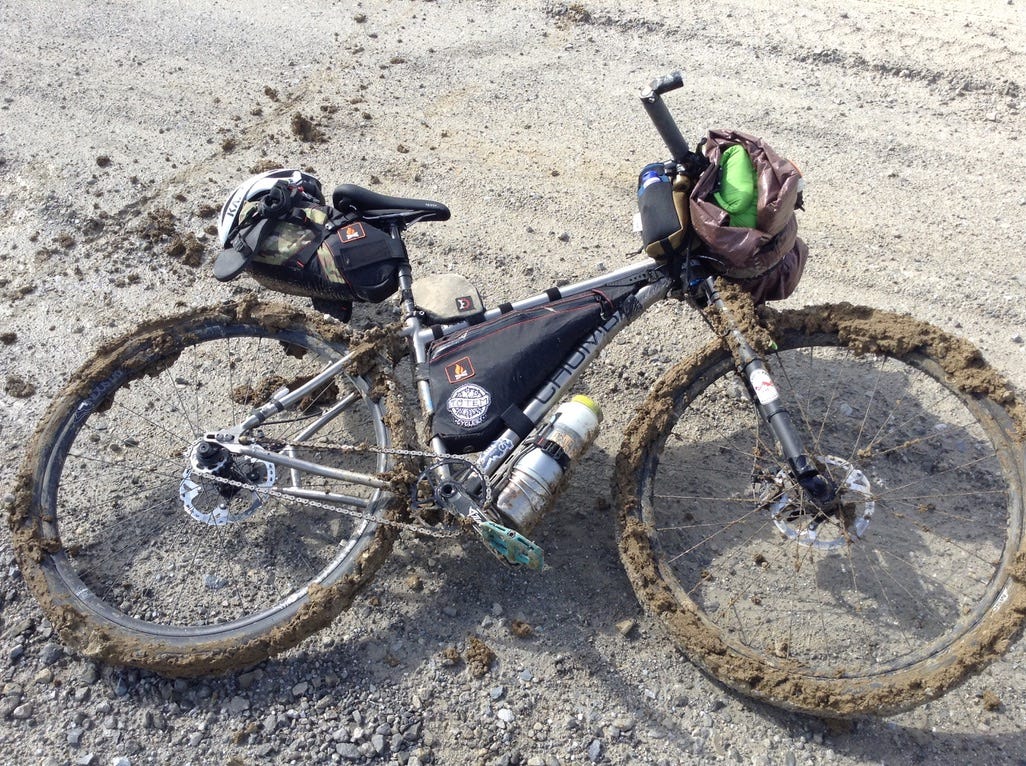
From 19 years old and on, I was engulfed in an eating disorder; I’d dabbled in variations of this food addiction from my early teen years, frankly, until today, and surely as tomorrow comes, I will still be held by a revolving desire to control my relationship with food. By twenty, I was consumed with controlling it to the point that everything and every decision in my life was dedicated to a way to minimize calories ingested and maximize calories expended. I was fed up with being fat, with the way people treated me. Ultimately, I felt trapped inside a body that didn’t seem to belong to me. I was willing to do just about anything to escape obesity. I grew into obesity as a fucking child; it wasn’t my choice, and I didn’t know any better. I was oblivious to the long-term deleterious impact of obesity, of the overall challenge of carrying a 300-pound body around this life. The way people treated me was beyond cruel. Boys asked me if I used hula hoops to keep my socks up. Girls at school put gum in my hair. Doctors looked at me like I was an animal.
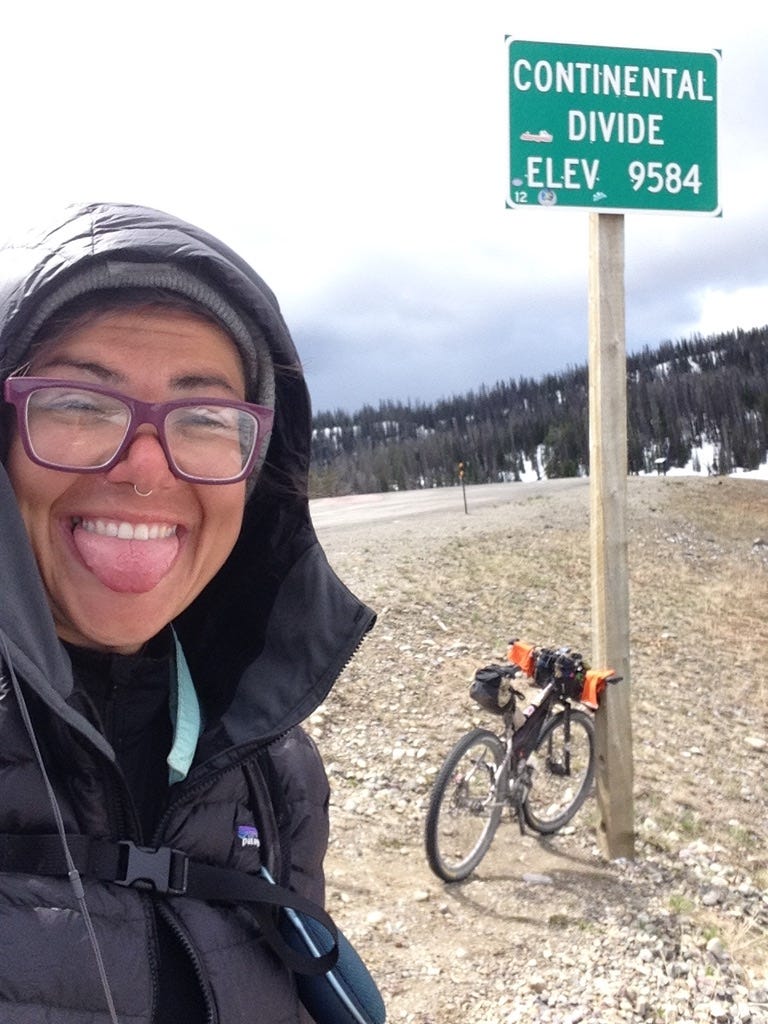
My grandmother was obese, weighing perhaps close to 400 pounds. She largely raised me in some of those critical years— my father worked nights, and we only saw Mom on alternating weekends. As a young child, I observed the cruelty inflicted upon her by passersby. Nokomis was hands down one of the kindest, giving, and most compassionate humans in the world. Comments, glares, chuckles… public shaming and the insecurity she swallowed. I watched my Nokomis die. Slowly, she gave up leaving the house, eventually going into hospice and onto her next journey in a type of unbearable pain that I witnessed. Her final years will never escape me. This doting grandmother was the one who squashed my dreams of becoming an olympian when I was young— sport isn’t for bodies like yours. Is it for the white ones? The skinny ones? The rich ones? She reinforced the idea that I’d never have a place in the world as an athlete. I was smart and creative, but I was too big to ever amount to anything related to using a body for sport. She encouraged me to read books, to write, to create art. Being an athlete wasn’t something I should have taken seriously.
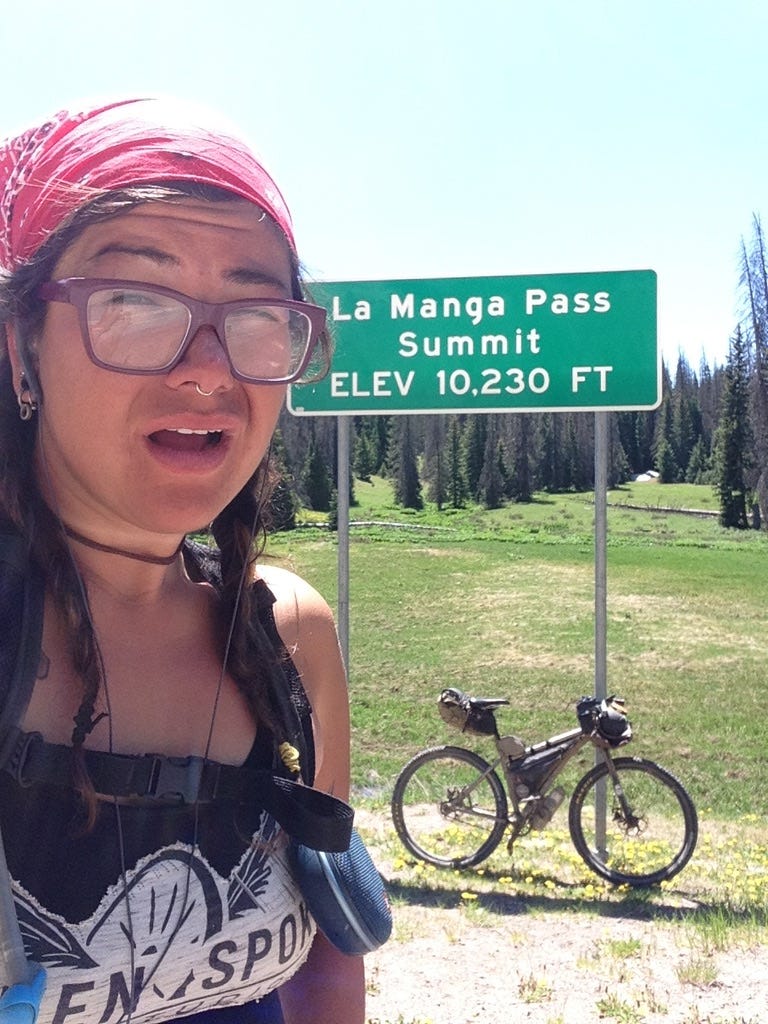
I’d started dating an eating disorder therapist in my last year as a teen, and she’d talk about her past clients and the “tricks” she had to watch out for in the clinic. Unknowingly, she was giving me tools to help me allow this disease to take over my life. I showered, trying to burn extra calories, I proclaimed I was vegan, and I even chose the car I drove based on how many calories I figured it would take to operate. I chose foods and drinks that made me feel sick so my appetite would fade. In time, I lost what was for me a life-changing amount of weight. Over one hundred pounds had melted off my body, but somehow, it barely looked different from when I was at my heaviest. I was addicted to eating as a child. I gave up bingeing for opiates. And then gave up dope for alcohol. Eventually, I starved myself to get rid of the fat. In some way or another, I’ve been an addict for as long as I can remember.
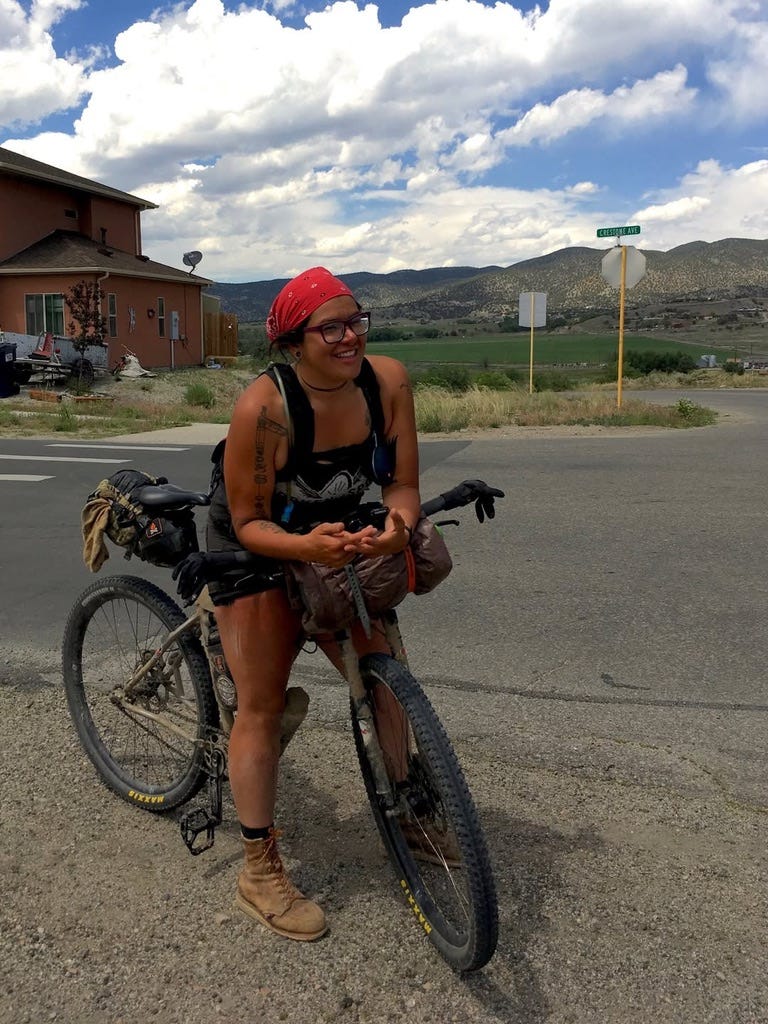
These were corners of myself that I kept as secret as I could. I’d landed a gig cleaning the home of the family my girlfriend nannied for. I’d been working a job at a hospital, a job my father reminded me was perhaps the best thing that could have happened for me. A union job right out of high school— I’d graduated early because I fucking couldn’t tolerate the public school system. On paper, I was a high achiever. Behind closed doors, I was an addict who feigned control over anything in her life that she could.
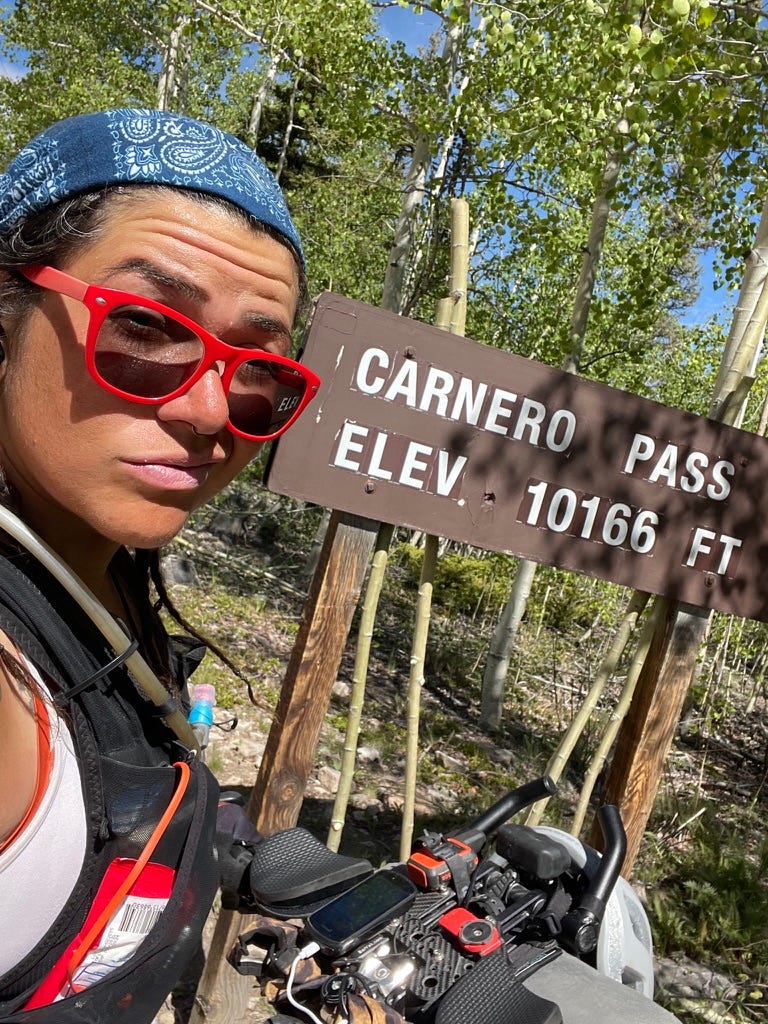
It’s easy to forget these things, the moments that led me to the finish of the Tour Divide in 2015. My life before that moment was a constant fight for survival, and somehow it gave me a type of strength I didn’t know could be translated from addiction into good. My high school best friend died from her heroin addiction, an addiction that we cultivated together. I made it out; she didn’t. Watching the people around me die forced me to decide whether I really wanted to live or not.
A decade away, I find myself sometimes forgetting where I came from, comparing myself to my competitors, chalking my self-worth up to my race results. Sometimes forgetting that I come from an Indigenous Nation, people who fought to survive, to persevere despite the machine that is the United States standing in our way. I came from clinical obesity and opiate addiction; from the brink of death, burdened by poverty, to lining up against so many people who came from such different lives from mine. I was told I’d amount to nothing, and somehow a little glimmer of hope survived within me to lead me to believe that wasn’t true. Fanning that flame takes constant fuel.
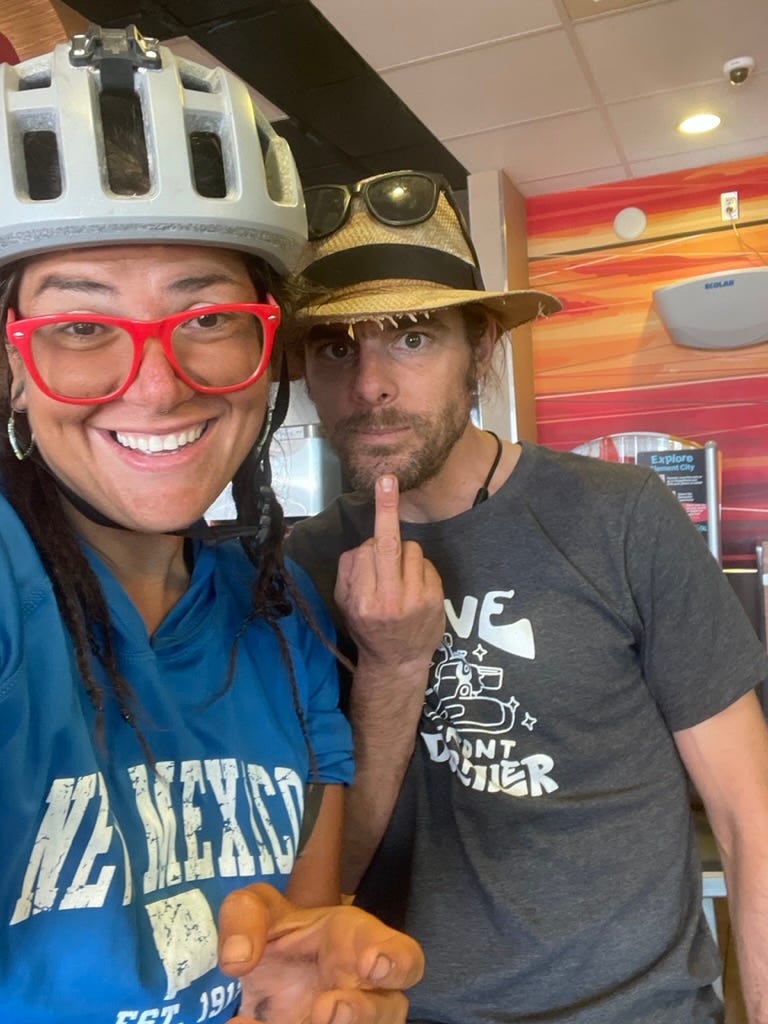
I still believe that I can do anything despite tripping, falling, and failing at achieving most of the goals I’ve set for myself. I don’t know what it is within me that keeps me thinking that I can set a women’s Tour Divide Speed Record; I have tried 4 times and failed to come anywhere close. I reconcile that sometimes, and give myself permission to kill that vision. My watts per kilo is beyond average. There is no scientific way that I can compete with these leaner athletes, but somehow, sometimes, I do. And when I start to give myself permission to succumb to the numbers, the occasional bit of magic prevails. The numbers fail to translate to anything. I’ve been gifted a few wins at some of the most challenging bikepacking races in America. Most of the time, I don’t win, most of the time, I don’t achieve the high goals I set for myself. But in a few moments of my life, I’ve soared. I’ve done impossible things.
I never once gave up racing the 2025 Tour Divide. I pivoted my plans, increased my stop time to provide self-care and nourishment. I rode as hard as I could. I tried my absolute best in the mindset I was in. I prepared with everything I had, in every aspect of my life, in the two years leading up to the 2025 race. I gave everything I could to win the Tour Divide again. And I didn’t come close to achieving that goal. Failure is the only true way to understand the glory of success.
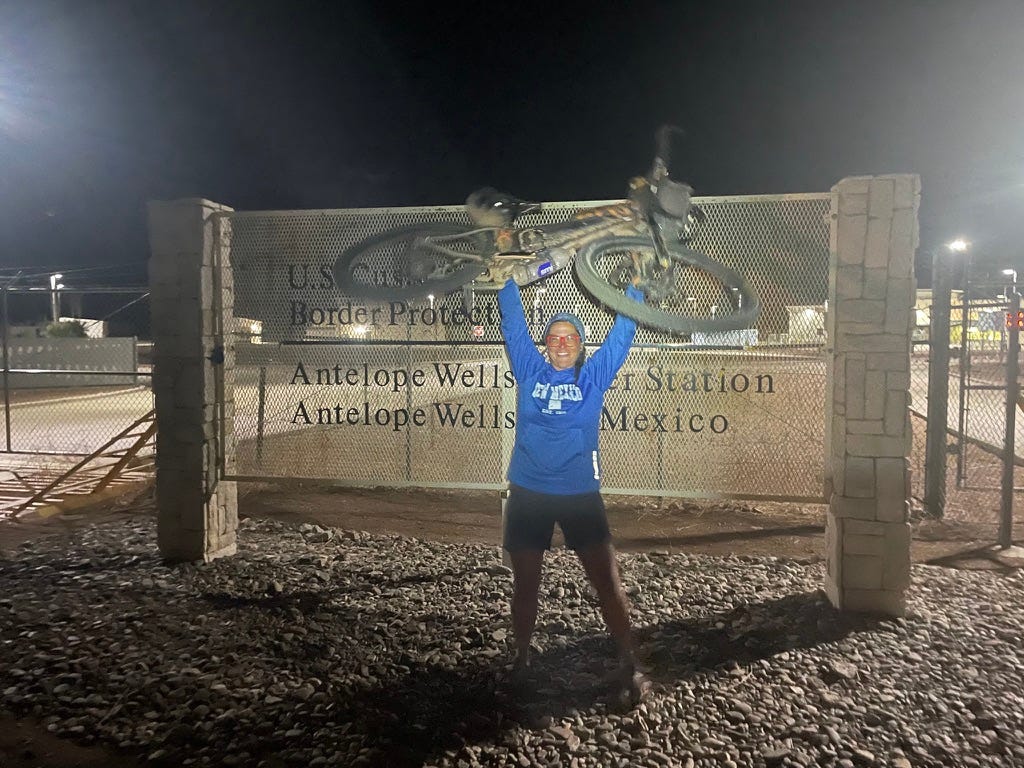
While my 2025 Tour Divide, yet again, didn’t yield the result that I envisioned. I cultivated an experience that I remain proud of. In a society obsessed with finish line narratives, we mustn’t forget the starting line stories, too. For I believe the distance from the starting line is where the true spirit lies; where did you come from to get to that race start line? Now, maybe more than ever, I urge people to dream impossible things, to line up at starting lines, and tell their stories.
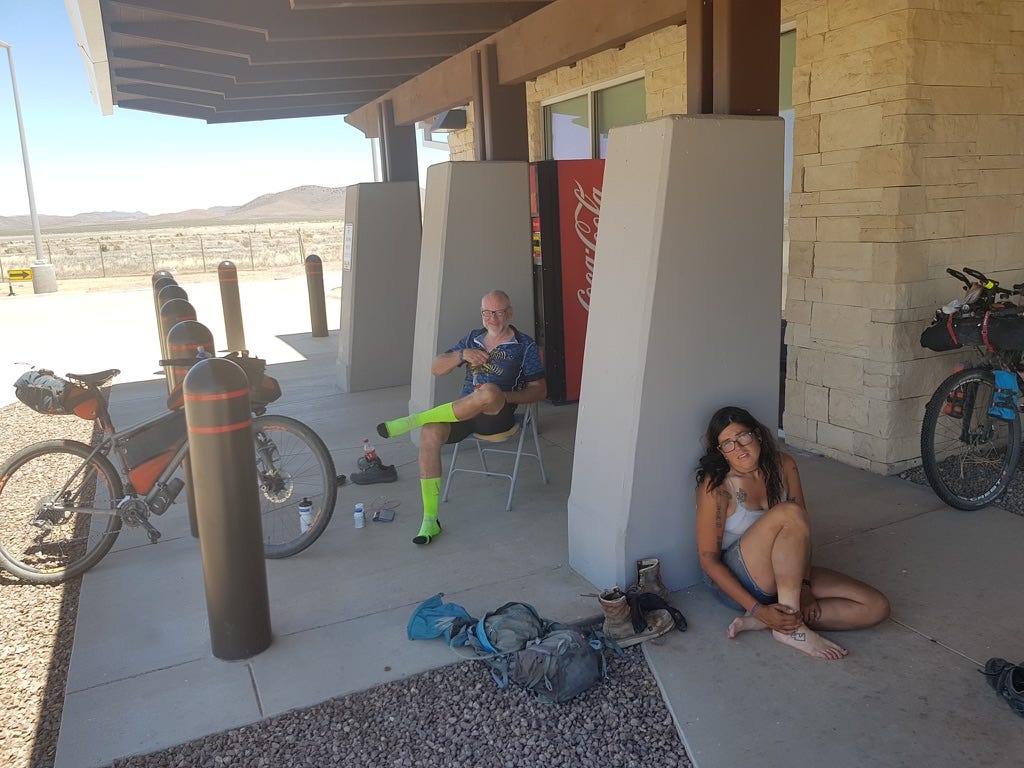
Racing doesn’t have to be setting impossible records solely— it can just as happily be persuading your closest friends to try their best at the same time as you. Or it can be signing up for a race to meet friends you haven’t met yet while you test your limits along a route. Or, it can be an attempt to face your past self and figure out how to move forward in life. My only hope in telling my story is that others will see the value in sharing their own unique stories. And racing is the perfect contract to do just that for me. A race is an agreement to give it everything I have; I am telling the story I needed to hear as a young girl—the true story of an Ojibwe woman fighting to make space in a sport I love.
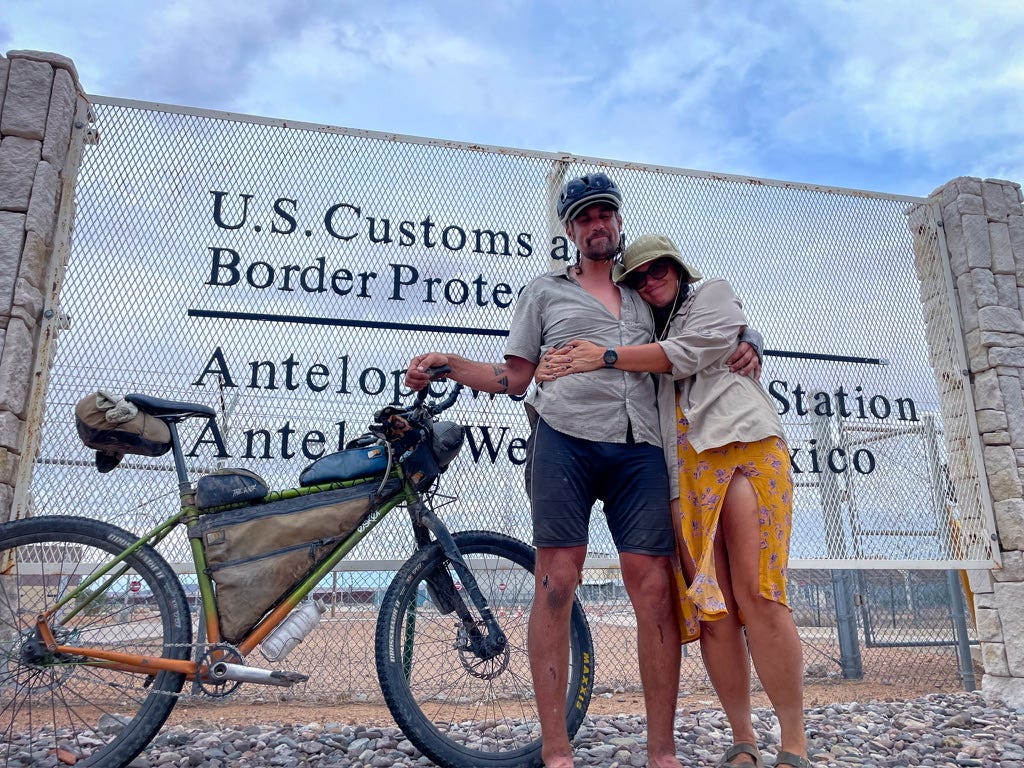
I’m out here, fighting to live my absolute most complete life, to share the story of trying as hard as I can despite the starting line I was born at. I will never be the best mountain bike racer of my generation. I may never be scribbled into the history books of ultra-endurance bikepacking. I started racing at a time when few women were involved, and I still wonder if my success was partly due to that. As more women continue to enter races, I will continue to show up and to try my best. And as my wins and titles fade, I hope always to remember those moments of magic, where I was able to do impossible things. I’ve had enough magic to last a lifetime, and any more magic will be the ultimate gift. Winning races can’t define me anymore. I need something more.
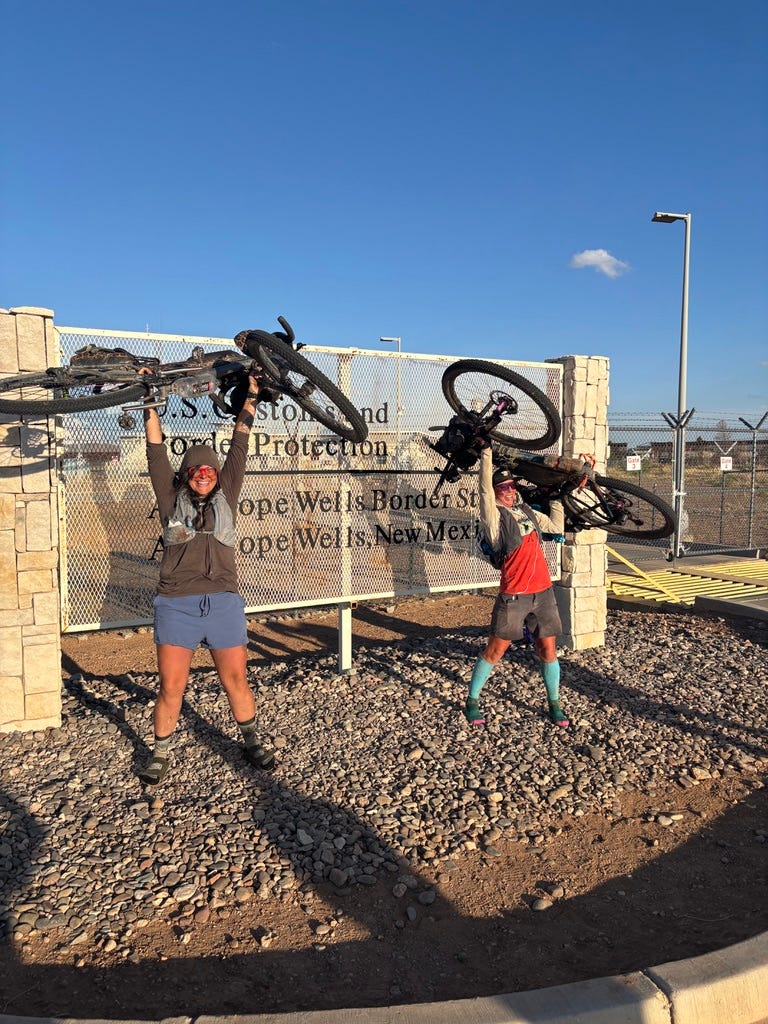
I am so much more than the results.
What’s your story?
Nenookaasiigwaneyaashiikwe
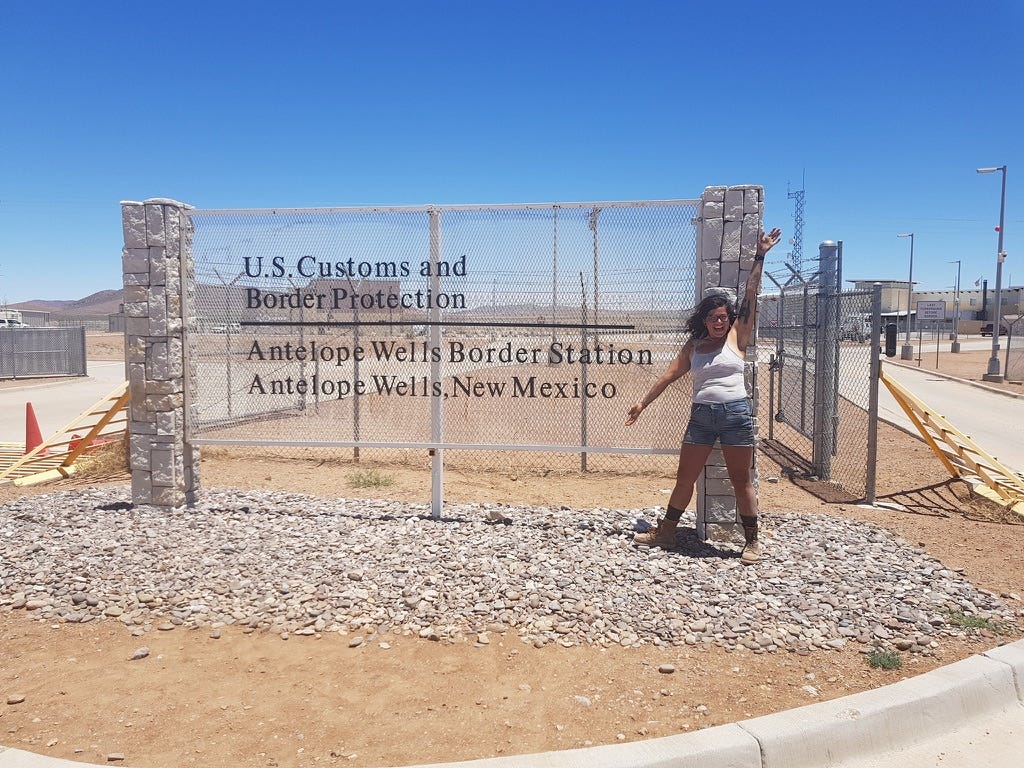
Very powerful and thought provoking testimony, Alexandera. Firstly, I understand it is difficult to accept who you are; I'm 77 years of age and have suffered from Bipolar Disorder since diagnosed at the age of 16 (only then it was called 'manic depression', probably more accurate!) and I still struggle but try to cope.
You are a beautiful human being and very brave (we all know that here!) who has achieved one of the greatest athletic feats anyone could possibly undertake - to ride a bike 2,750 miles on singletrack, over horrendous terrain, in all weathers, with no sleep, no support, having to carry all your own supplies . . . . and still finish fourth is something very very few of the rest of the 8.1 billion of us could do. We salute you girl !
PS. I followed two riders on Bikepacking.com this year, you and John and Mira and was sad when they dropped out but quite understand the reasons. Will look forward to your next great adventure . . . .
loved this, especially "In a society obsessed with finish line narratives, we mustn’t forget the starting line stories, too"